A world without truth.
Truman opens the door. The credits do not roll for the rest of us.
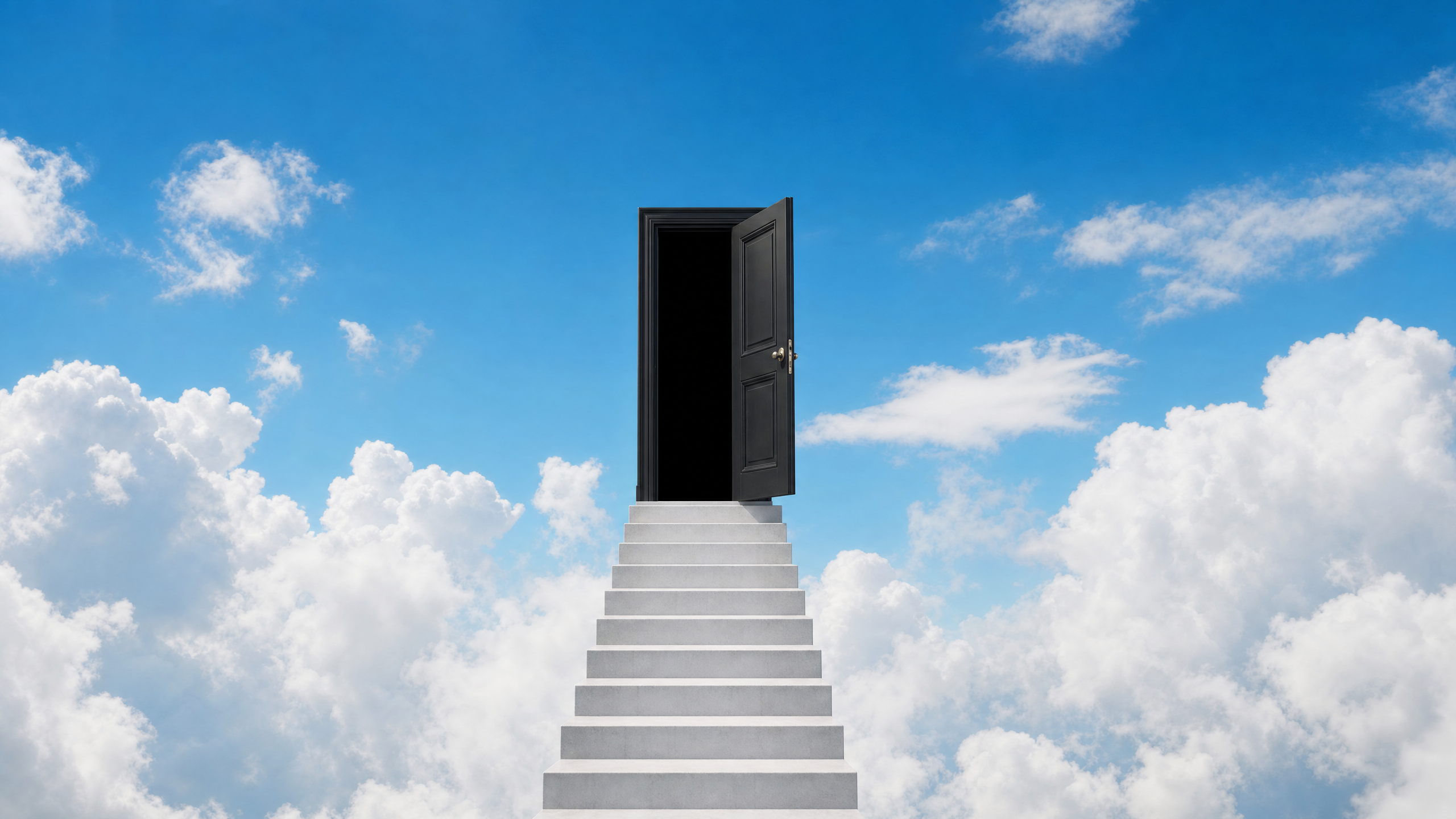
The Truman Show shows a world where reality is controlled, identity is shaped, and truth is uncertain.
This reflects the core of postmodernism. There is no single truth. Reality depends on what people are shown and what they believe — and on the quiet, patient labour of those who arrange the showing.
“Truman escapes his world. But the question remains. Are we also living in a constructed reality without realizing it?”
The film’s final image is generous: a man walking through a door, taking a small bow, and stepping into something he cannot yet describe. It is the most honest moment of the entire production. He does not know what is on the other side. Neither do we. We never have.
And so the work of the postmodern viewer begins where Truman’s ends — not in cynicism, but in attention. Notice the framing. Notice who is paying for the lights. Notice when the same neighbour appears at the same hour with the same cheer. Then ask, gently, what your own producers are hoping you won’t notice.
Now look up at the sky where you are.
If it looks painted, ask who painted it. If it looks real, ask who told you so. Either answer is the beginning of something postmodern.